

Body Size and Carbohydrate Oxidation: Time to Rethink Fuelling Strategies?
Challenging what we think we know, with what is seemingly obvious?

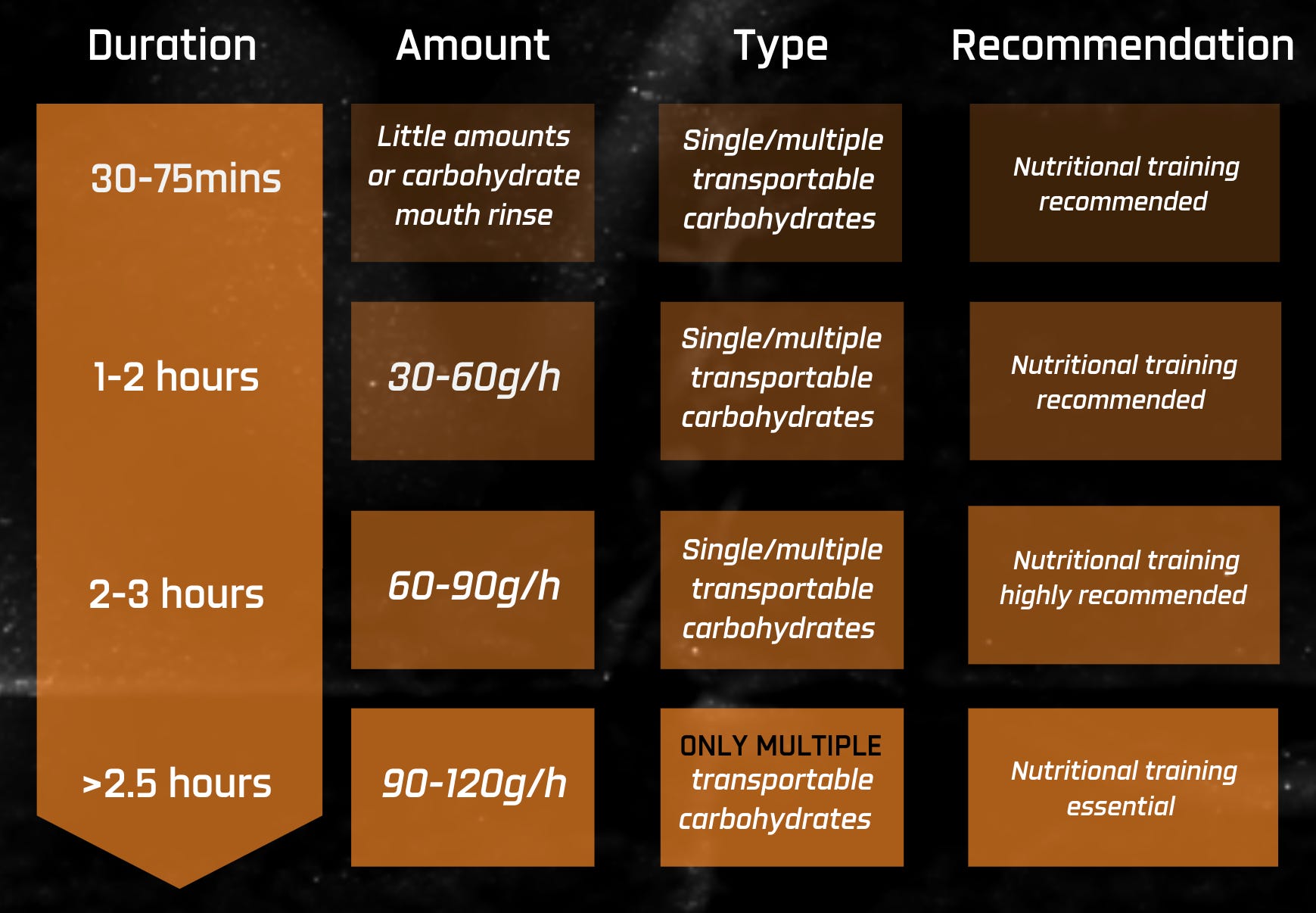
When it comes to fueling for endurance performance, most athletes are familiar with the standard guidelines: consume 30–120 grams of carbohydrate per hour during prolonged exercise. But do these recommendations take into account the unique demands of individual body size?
A recent study from the University of Bath challenges the one-size-fits-all approach, providing compelling evidence that larger athletes oxidize significantly more ingested carbohydrates during exercise than smaller athletes. This finding could have practical implications for sports nutrition strategies, from recreational to elite levels.
Key Findings: Body Size Matters
The researchers recruited 15 cyclists, divided into smaller (<70 kg) and larger (>70 kg) groups, and asked them to cycle for two hours at 95% of their lactate threshold. Each athlete consumed 90 grams of glucose per hour, with glucose labeled isotopically to trace its oxidation in the body.
Here’s what they found:
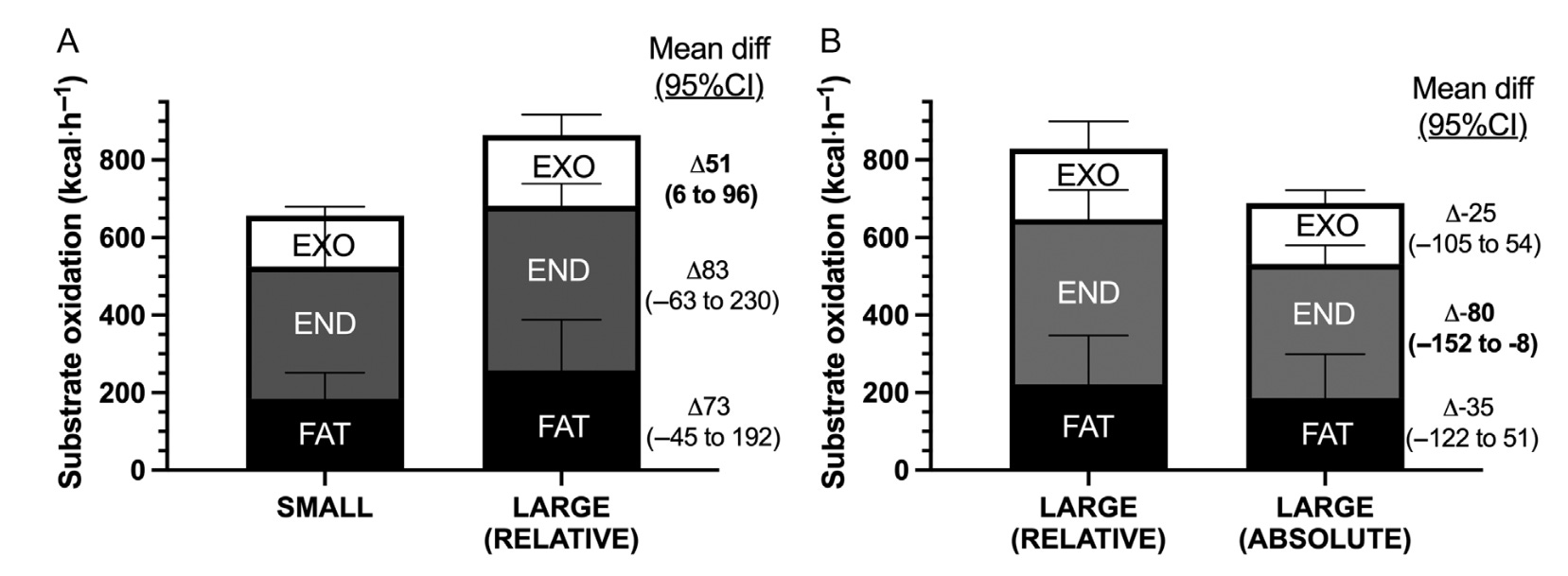
1. Larger athletes oxidized 36% more ingested carbohydrates than smaller athletes, with larger body size correlating strongly with higher oxidation rates.
2. Differences in carbohydrate oxidation were not solely explained by absolute exercise intensity. Larger athletes demonstrated an inherently greater capacity to metabolize ingested carbohydrates.
3. On average, larger athletes achieved a peak oxidation rate of ~61 g/hr compared to ~48 g/hr for smaller athletes.
These results highlight that body size is a key determinant of carbohydrate metabolism during exercise, raising questions about whether standardized fueling recommendations are optimal for all athletes.
What Does This Mean for Athletes?
The study suggests that carbohydrate intake should be tailored to body size to maximize performance benefits.
For Larger Athletes: Current guidelines (e.g., 90 g/hr) might underestimate your body’s capacity to use carbohydrates, potentially leaving untapped energy on the table during long-duration efforts.
For Smaller Athletes: Following the same guidelines could lead to overconsumption, increasing the risk of gastrointestinal discomfort without additional performance gains.
Adjusting carbohydrate intake to approximately 0.7 g/kg/hour could provide a more individualised approach. This aligns with older research but departs from more generic recommendations that focus only on absolute doses.
The Science Behind the Findings
Carbohydrate oxidation depends on the body’s ability to absorb, transport, and metabolize ingested glucose. Larger individuals tend to have:
Greater intestinal surface area for absorption.
Larger muscle mass and liver glycogen stores to process glucose.
Higher total energy expenditure at a given relative intensity.
Interestingly, when larger athletes reduced their exercise intensity to match smaller athletes, they still oxidized carbohydrates at higher rates, underscoring that body size plays a fundamental role independent of workload.
Practical Applications for Athletes
To translate these findings into action, athletes should consider the following:
1. Personalize Your Fueling Plan:
Use body weight as a guide: ~0.7 g of carbohydrate per kilogram per hour might better match your needs.
Larger athletes (e.g., 90 kg) might benefit from increasing intake beyond 90 g/hr during prolonged efforts.
2. Test in Training:
Experiment with different carbohydrate amounts during training to determine your optimal dose without causing gut discomfort.
Use long rides or runs to simulate race conditions and refine your fueling strategy.
3. Consider Fuel Composition:
Using glucose-fructose blends can enhance oxidation rates by leveraging different absorption pathways, potentially benefiting athletes of all sizes.
Closing Thoughts
This study is a step forward in understanding how individual factors like body size influence carbohydrate metabolism and endurance performance. While more research is needed to refine guidelines, it’s clear that a personalized approach to fueling is critical for athletes looking to perform at their best.
By rethinking the “one-size-fits-all” paradigm, athletes—whether recreational cyclists or elite marathoners—can better align their nutrition with their physiology, unlocking new levels of performance.
Ijaz A, Collins AJ, Moreno-Cabañas A, Bradshaw L, Hutchins K, Betts JA, Podlogar T, Wallis GA, Gonzalez JT. Exogenous Glucose Oxidation During Exercise Is Positively Related to Body Size. Int J Sport Nutr Exerc Metab. 2024 Sep 27;35(1):12-23. doi: 10.1123/ijsnem.2024-0097. PMID: 39332815